
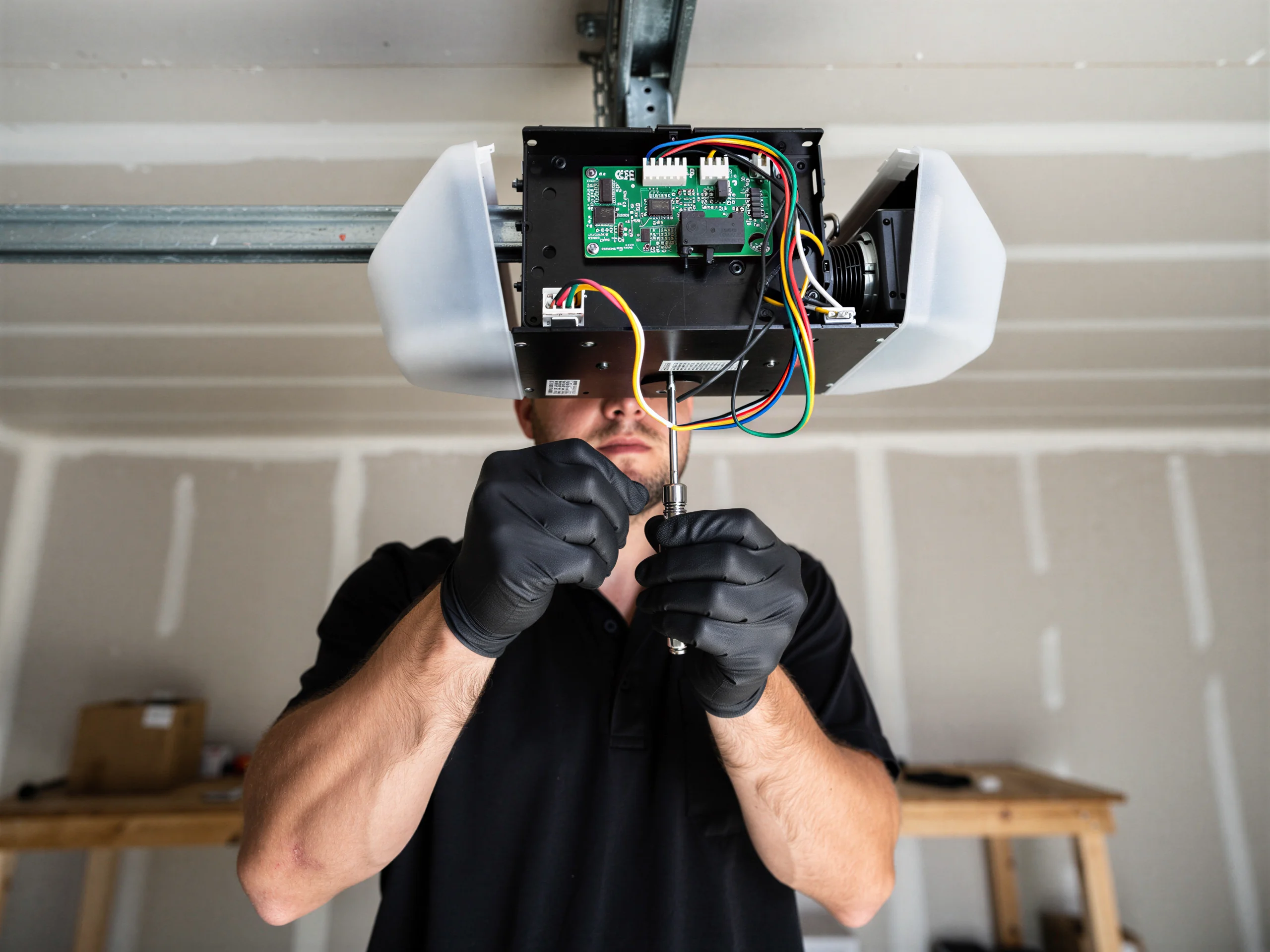
Opener burnout from forcing
A broken spring means the door stays shut - don't force the opener past it, since that's how you burn out a motor on top of the spring problem.
Leawood, Shawnee
Leawood homes mostly went up around 1989, which means torsion spring setups, not the older extension-spring style. We carry both from our Shawnee shop, 12 miles out.
Downtime
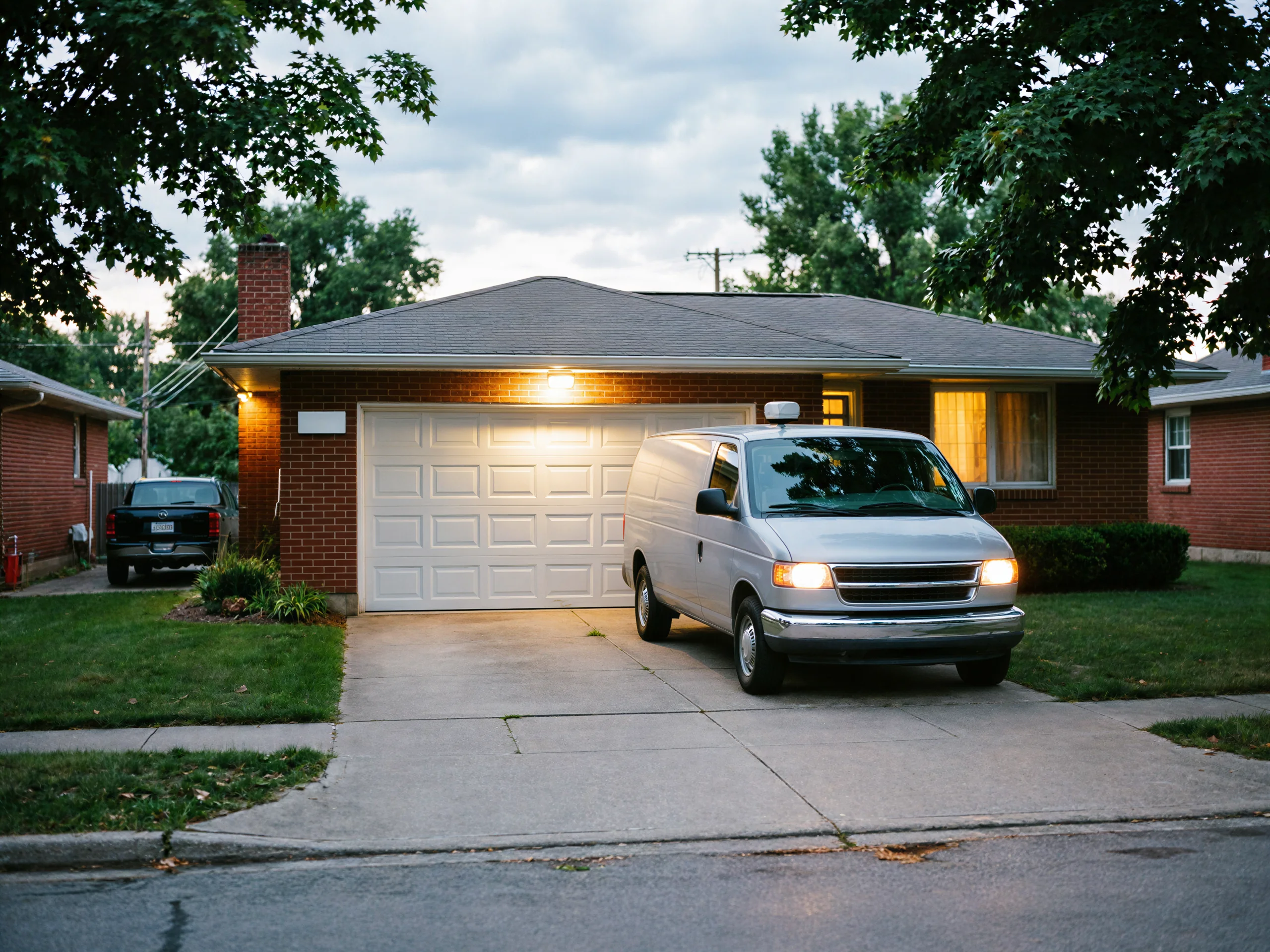
We run this job out of Shawnee, about 12 miles from Leawood, so we don't keep a crew sitting in town waiting on calls. That matters for how you plan the day: if a spring lets go in the morning, we need to know before we can tell you anything useful about when a truck can be there, because we're routing from Shawnee and not around the corner.
A broken spring means the door stays shut - don't force the opener past it, since that's how you burn out a motor on top of the spring problem.
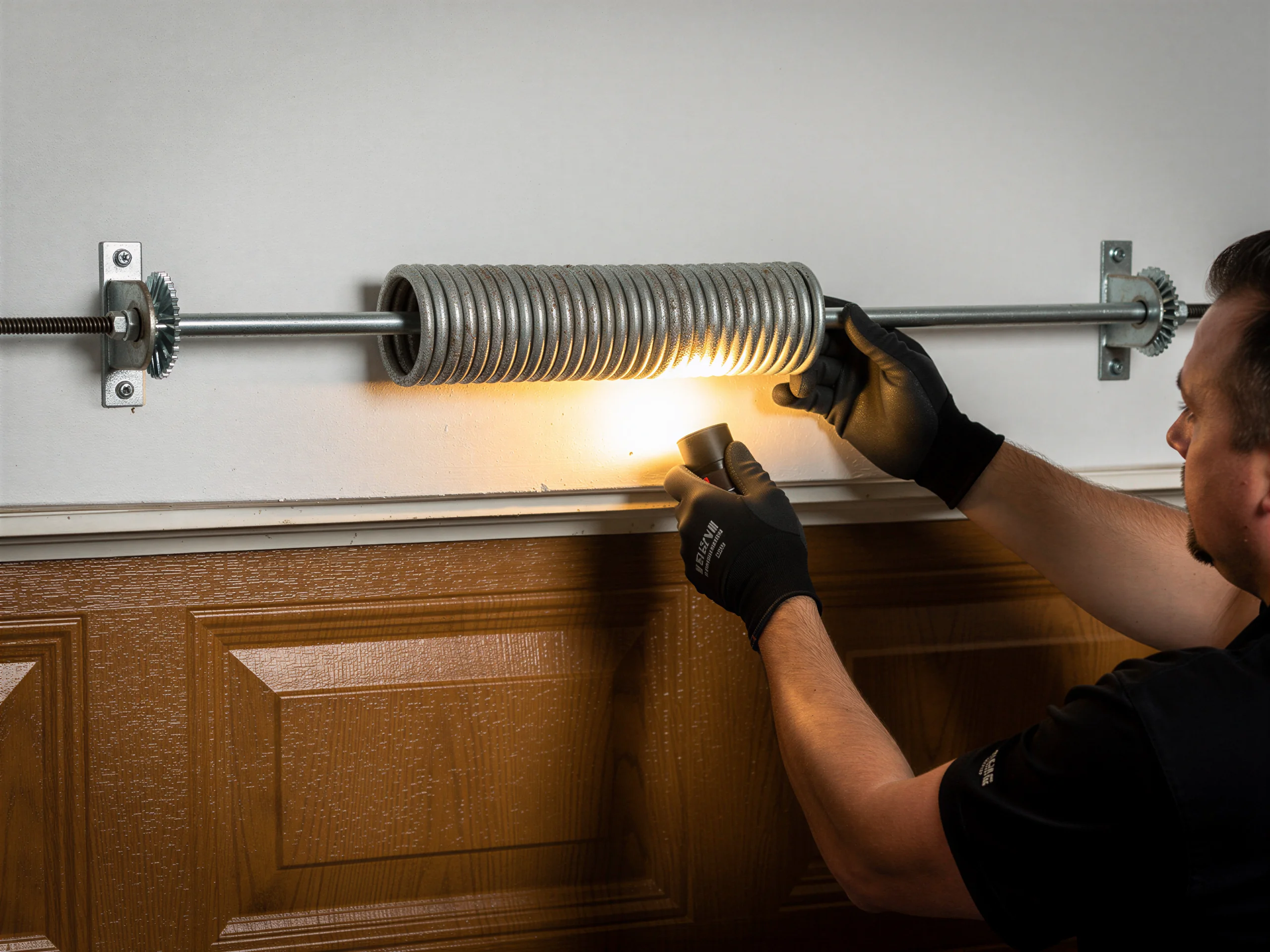
Once we're on site, spring jobs themselves are usually a same-visit fix: pull the old spring, measure the shaft, put on the correct wire size and wind count, test the balance.
The part that takes longer is the drive out, not the repair. If you're weighing whether to wait for us or call someone closer, that's a fair question - we're honest that Leawood isn't our home base, it's a service area we cover.
Watch-outs
Leawood's housing stock centers on 1989, which puts most garage doors squarely in the torsion-spring era - a shaft above the door with one or two springs wound under tension, not the older side-mounted extension springs some of the service area's 1950s-60s houses still carry. Torsion springs from an original 1989 install have had over three decades of cycles, and steel fatigues even without a single mistake ever being made. The usual failure is a clean snap, usually in cold weather when the steel is least forgiving - the spring doesn't stretch to absorb the extra load, it just lets go. You'll hear a loud bang, sometimes mistaken for a gunshot, and then the door won't lift or won't stay up. Less dramatic but just as common: a spring that's lost tension gradually, so the opener struggles, strains, and eventually burns out trying to lift a door the spring should be handling. Cables fraying at the bottom bracket show up around the same age as the springs, since they're under similar stress and installed at the same time.
On the truck
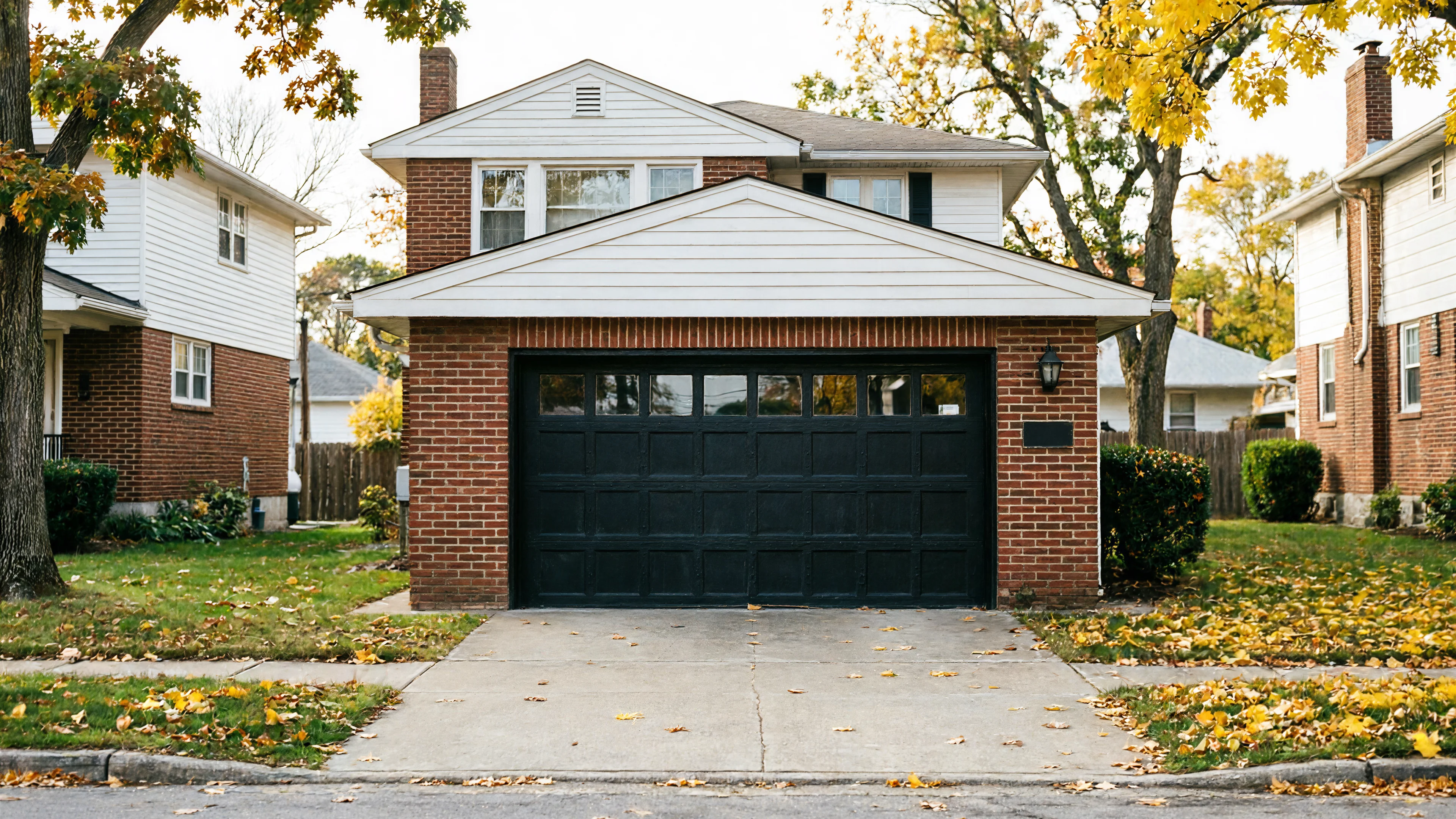
Because Leawood's doors are overwhelmingly torsion-spring, 1980s-90s vintage, we stock torsion springs in the wire sizes and wind counts that match what went in during that build window - no special order, no waiting on a supplier for the common sizes.
We also carry the matching safety cables, torsion shaft bearings, and end bearing plates, since those wear out on the same schedule as the spring itself and it's wasteful to replace one without checking the other. Extension springs are less common here but we keep a basic stock for the older end of the area's housing range.
One honest limit: if your door is a less common size or a specialty panel system, the exact spring may need to be ordered, and that adds a day or two - we'll tell you up front rather than guess and make you wait twice.
Local causes
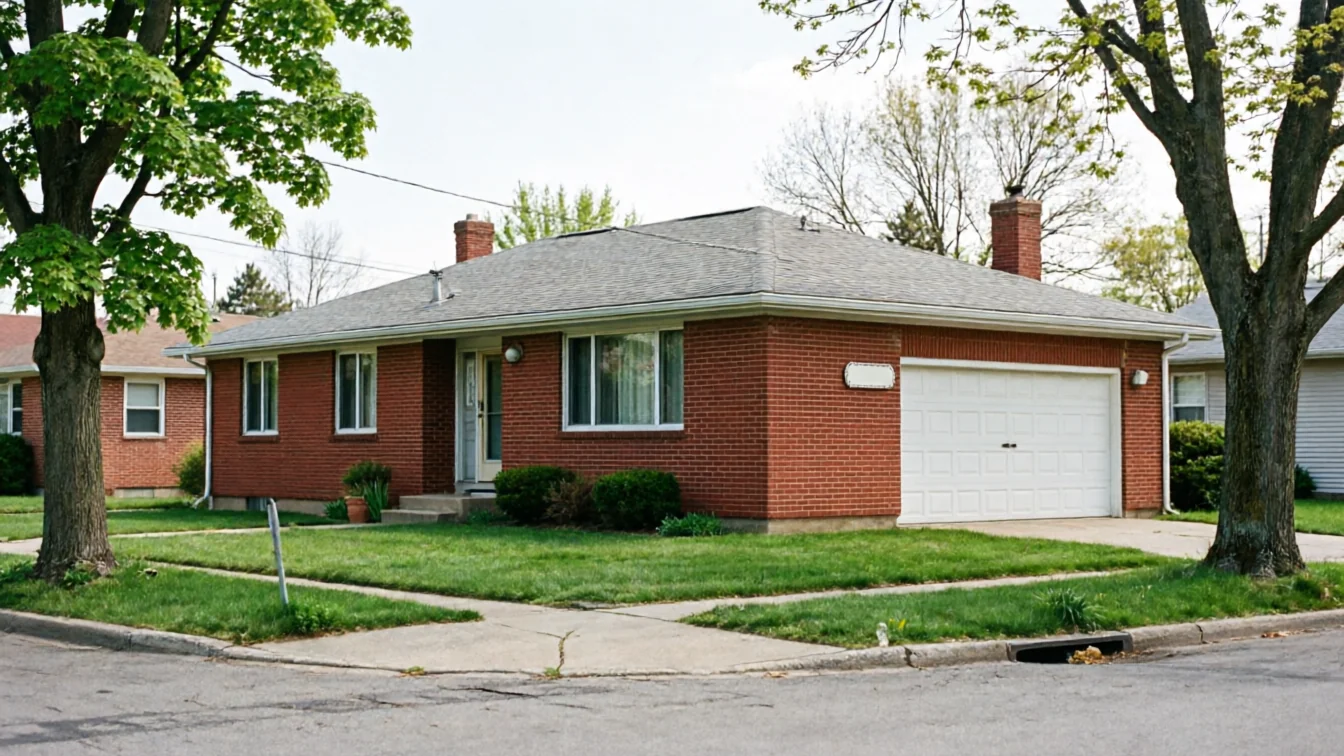
The service area runs a cold, moderate climate, and that's the real driver behind when springs fail, not just how old they are. Steel contracts in the cold and loses some give, so a spring near the end of its cycle life is far more likely to snap on a January morning than a mild afternoon. In a neighborhood like Leawood, where most doors and their original hardware date to around 1989, that means a lot of springs are now well past the point where cold-weather stress is the deciding factor rather than a fluke. We don't see much spring failure tied to humidity or storm damage here - it's almost always cycle count plus a cold snap. If your spring is original to the house, the honest move is often to replace it before it fails rather than wait, since a snapped spring with the door halfway up can do real damage to the track and opener.
Questions
It's possible but not guaranteed - springs are rated for a number of open-close cycles, not years, so a door used often may have already had one replacement. If you've never had a spring replaced and the house dates to that era, it's worth having the spring checked rather than waiting for it to snap.
No. We run out of Shawnee, about 12 miles away, and cover Leawood as part of the broader service area. We're upfront that we're not based in town, so plan around a drive time rather than a local dispatch.
Steel loses flexibility as it cools, so a spring that's near the end of its cycle life is under more stress in winter than summer. The cold doesn't cause the wear, but it's often what pushes an already-tired spring past the breaking point.
You can, but we don't recommend it. Both springs on a double-spring setup wear at roughly the same rate, so replacing only the broken one usually means the second fails within a short stretch, and you're paying for a second visit for a job that could've been done once.
Explore more
Ready when you are
Shawnee Garage Door Pros repairs and installs garage doors, springs and openers in Shawnee, KS and the surrounding area.