
Inspection before any work
What we can tell you is how we price it: a tech looks at the door, tells you what's broken and what it'll take to fix, and you get that number before any work starts. No guessing over the phone.
Shawnee, KS
Broken torsion spring on a Shawnee home built in the 80s or 90s? We explain what drives spring failure here and what the repair actually involves.
Pricing
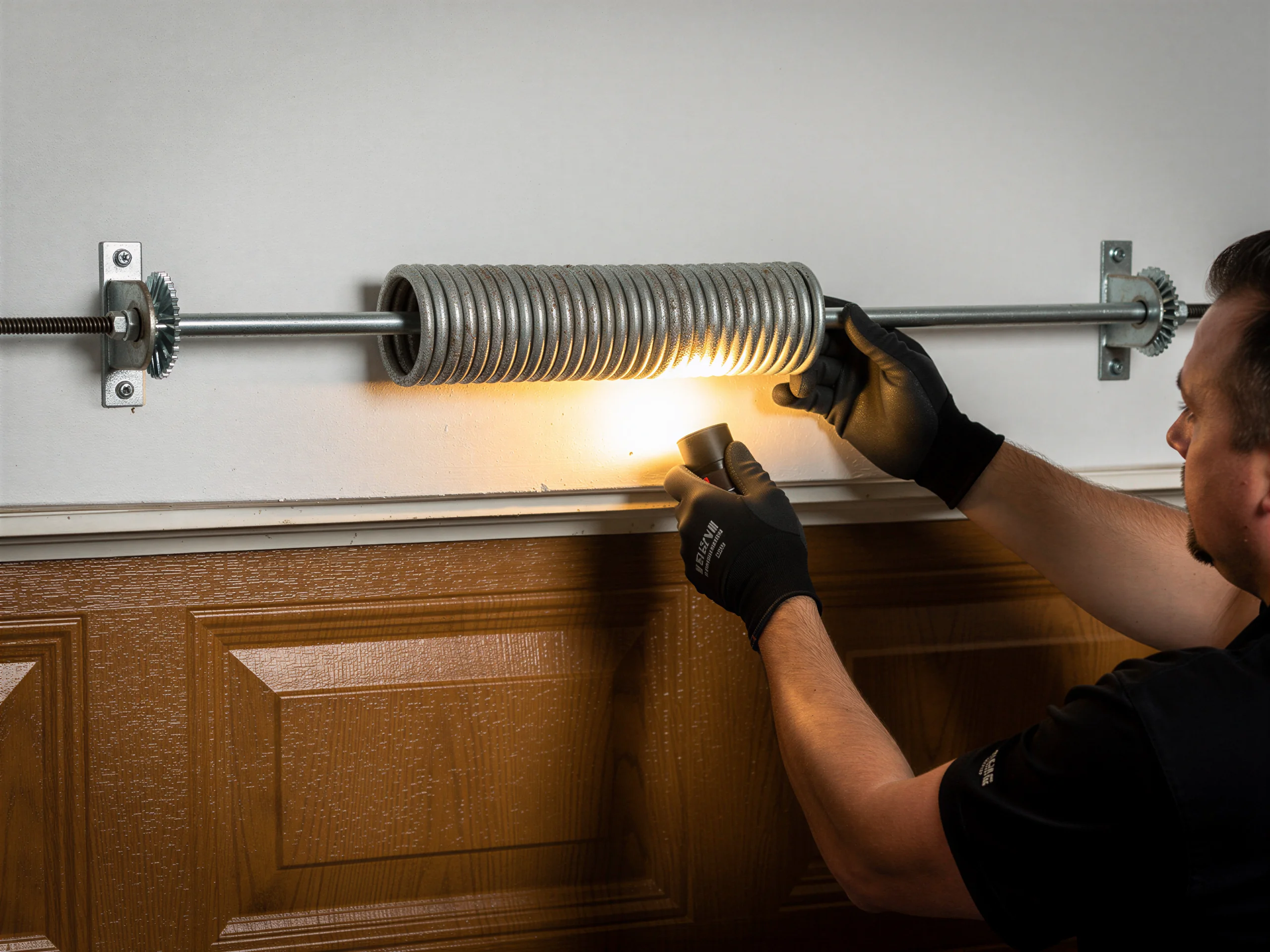
We don't post a flat number here because spring repair cost depends on what's actually wrong - one broken torsion spring versus two, standard-cycle versus high-cycle, and whether the drums or cables got chewed up when the spring let go.
What we can tell you is how we price it: a tech looks at the door, tells you what's broken and what it'll take to fix, and you get that number before any work starts. No guessing over the phone.
One honest limitation: if your opener board also got damaged when the spring snapped - which happens more than people expect, since a spring failure can yank the door down hard enough to strain the opener - that's a separate repair, and we'll tell you straight if it's cheaper to replace the opener than patch it. Shawnee's housing stock matters here too.
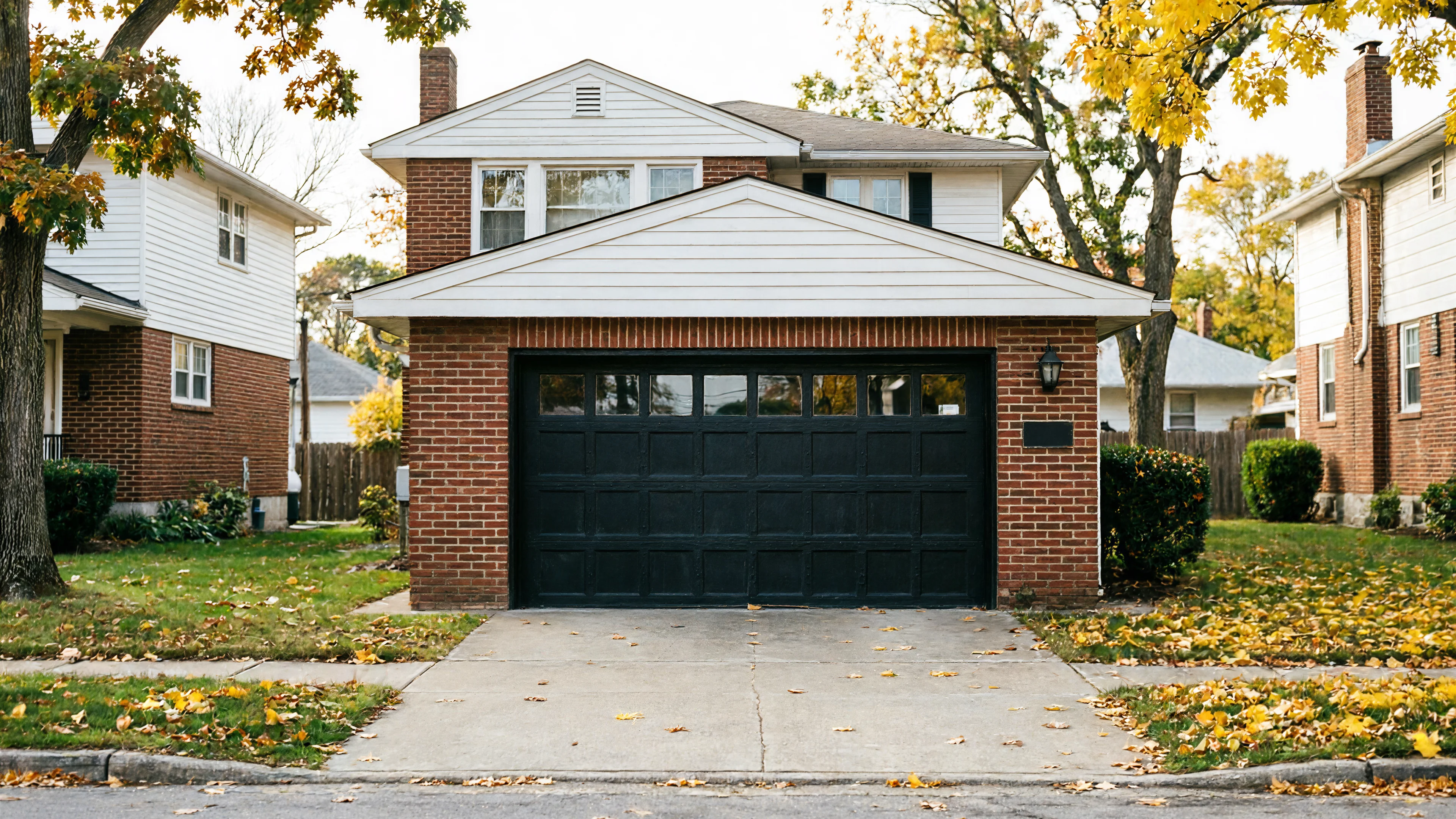
A lot of homes in this area were built between 1950 and 2004, with the bulk going up in the 1980s and 90s. Doors and hardware from that era often use torsion springs sized for lighter steel doors than what's sold today, so if a homeowner replaces the door but not the spring system, the mismatch shortens spring life and shows up as a service call sooner than it should.
Local causes
Torsion springs fail from cycle count and from cold. Shawnee sits in a moderate-cold climate band, which means winter steel contraction is real but not extreme - springs here don't snap from deep sub-zero cold the way they do further north, but the seasonal swing still stiffens steel, stresses the coil, and shortens the life of a spring that's already near the end of its rated cycles.
Age of the hardware is the bigger factor in this market. With most garage doors across the area dating to the 1980s and 90s stock, a lot of torsion springs out there are original equipment, decades past their rated cycle life, and nobody's touched them since install. A spring rated for 10,000 cycles doesn't care how clean the garage is - it just wears, coil by coil, until one morning it doesn't.
We also see failure tied to the wrong spring for the door. A homeowner swaps to a heavier insulated door without upsizing the spring, and the old spring works twice as hard every single cycle. That's a slow failure, not a sudden one, but it ends the same way: a door that won't lift, or a spring that snaps with a bang you hear from the kitchen.
The repair
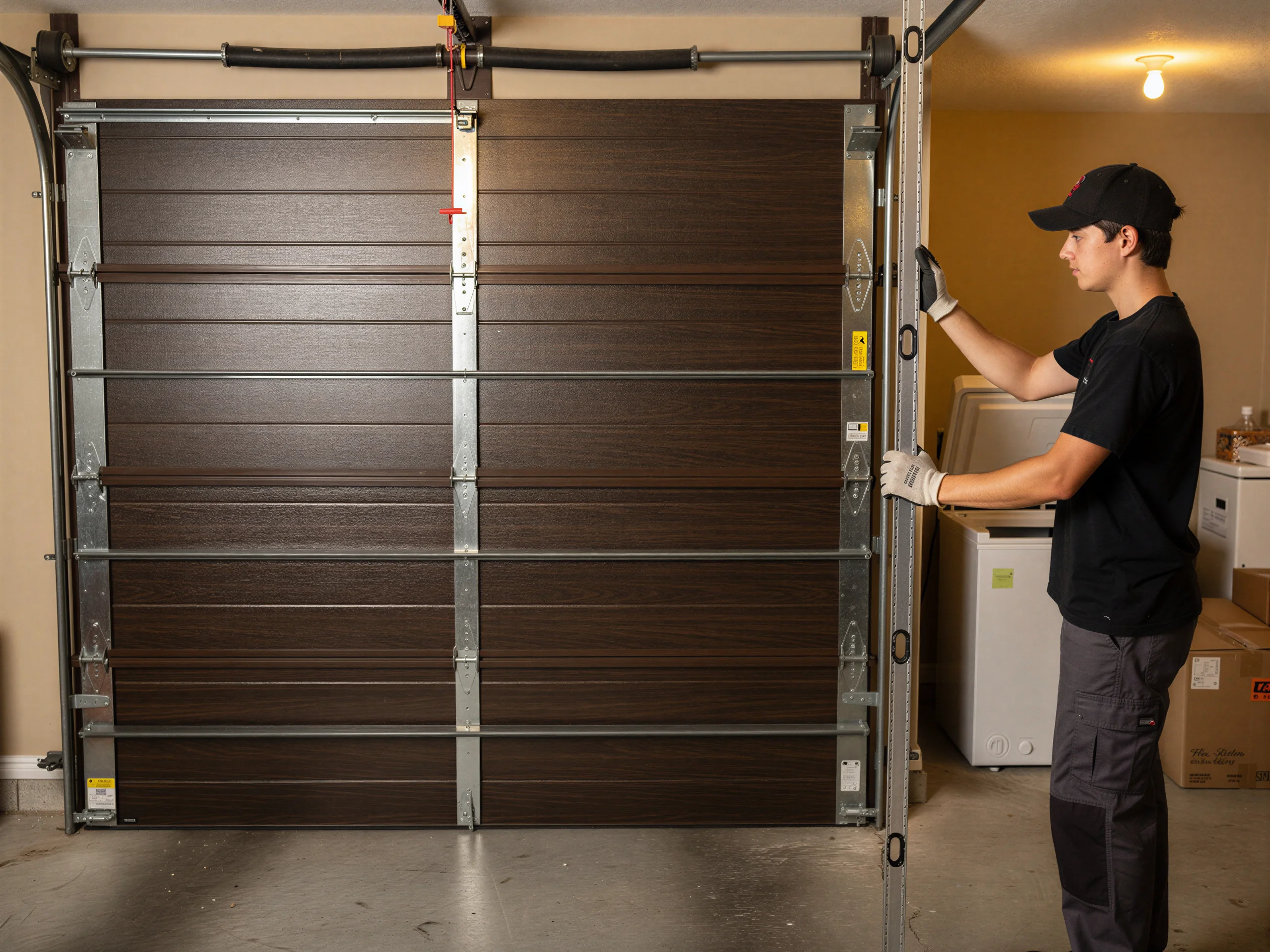
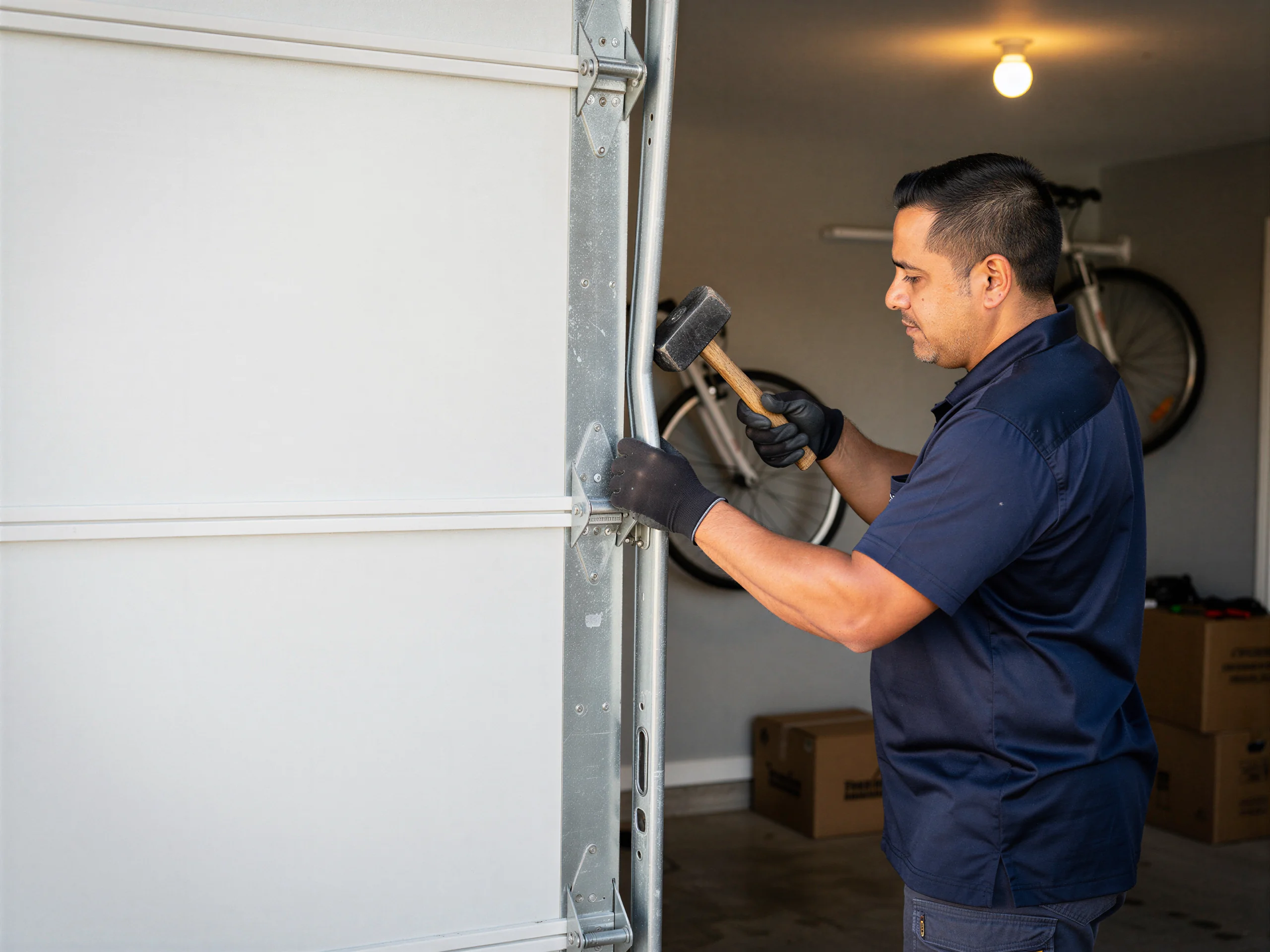
A torsion spring job is a cable-under-tension repair, not a bolt-and-go fix. The tech unwinds the old spring with winding bars, pulls it off the shaft, measures the door's weight and the drum size, and sets a matched replacement spring - usually both springs on a double door, even if only one broke, since the other is on the same clock.
For homes with original 1980s-90s hardware, we check the drums, the shaft, and the cables while we're in there, since 30-40 year old galvanized cable and worn drums often fail within a season or two of a spring replacing worn parts around them.
Replacing the spring alone and leaving a frayed cable in place just means a second call. Most spring jobs run under two hours once the tech is on site with the right spring in hand.
What takes longer is matching an odd-sized or high-cycle spring that isn't a stock size - older installs sometimes used springs that don't match today's standard wire gauges, and that can mean a short wait on the exact part rather than a same-visit swap. We'll tell you up front if that's the case instead of forcing a part that's close but not right.
Symptoms
The giveaway is usually sudden: the door won't budge, or it only goes up a few inches before stalling, and the opener motor strains and clicks without lifting.
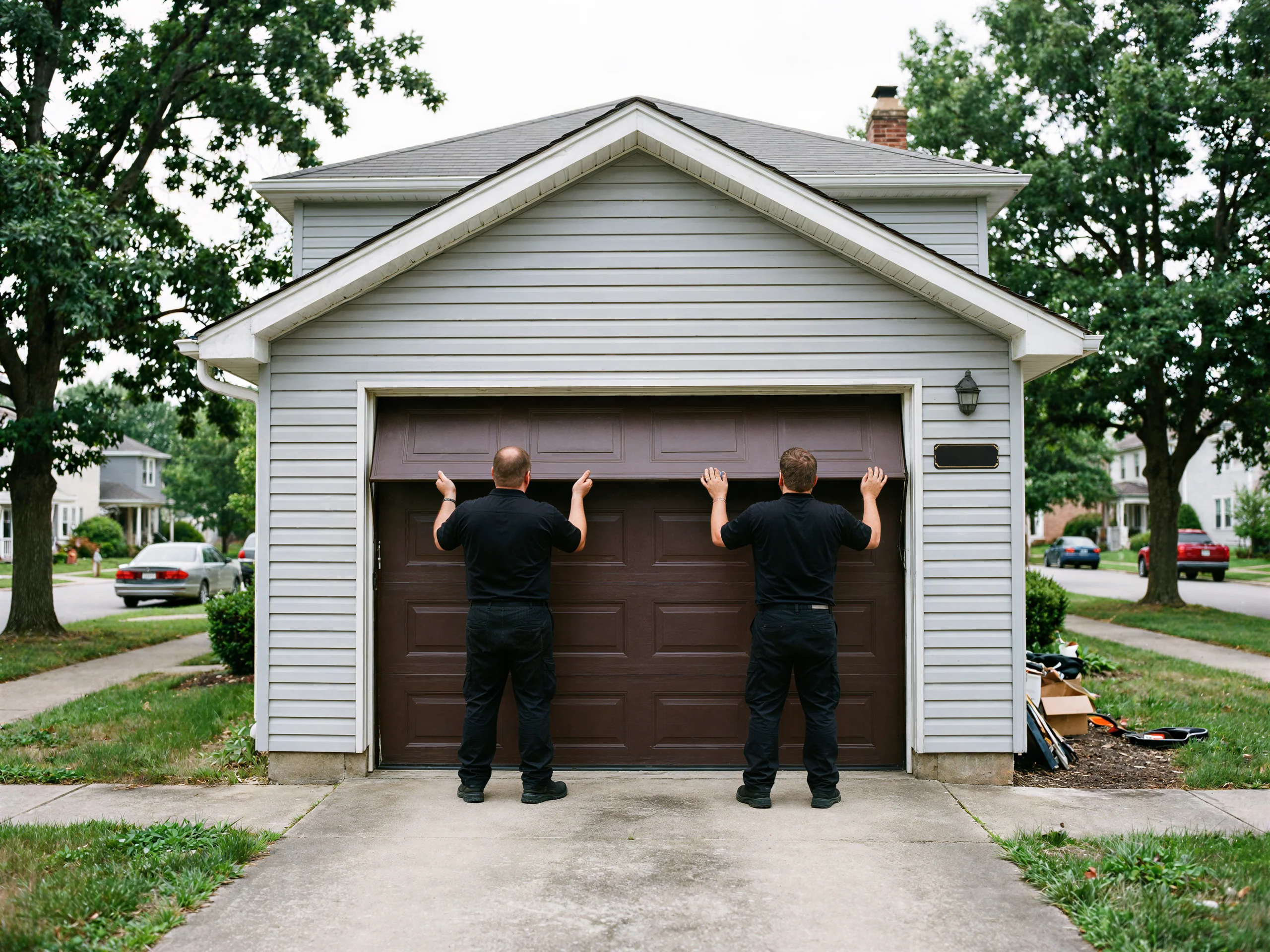
If you look up at the spring above the door and see a visible gap in the coil, that's your broken torsion spring - don't try to force the door with the opener or by hand, since the counterbalance that normally carries the door's weight is gone and the door can drop fast.
A second, quieter symptom is a door that's gotten heavier to lift by hand over a few weeks - that's a spring losing tension before it breaks outright, common in older torsion setups from the 1980s and 90s where the spring has simply worn down rather than snapped clean.
Either version is a call for a tech, not a DIY fix; torsion springs are under enough stored tension to cause a serious injury if you don't have the right bars and know the wind count.
Questions
If the opener motor runs but the door doesn't move, or moves only a little before stalling, that's almost always the spring, not the opener. A healthy opener can't lift an unbalanced door - the spring carries most of the weight, and once it's broken, the motor is fighting the whole door alone.
We'd tell you not to. Torsion springs are wound under heavy tension, and the bars and technique matter - homeowners get hurt doing this every year. It's one of the few garage door jobs where the tools and the risk genuinely call for a trained tech, not a weekend project.
Cold steel is more brittle and contracts slightly, which adds stress to a spring that's already near the end of its cycle life. Shawnee's winters are moderate rather than extreme, so cold alone rarely snaps a healthy spring - it's usually the tipping point for one that was already worn down.
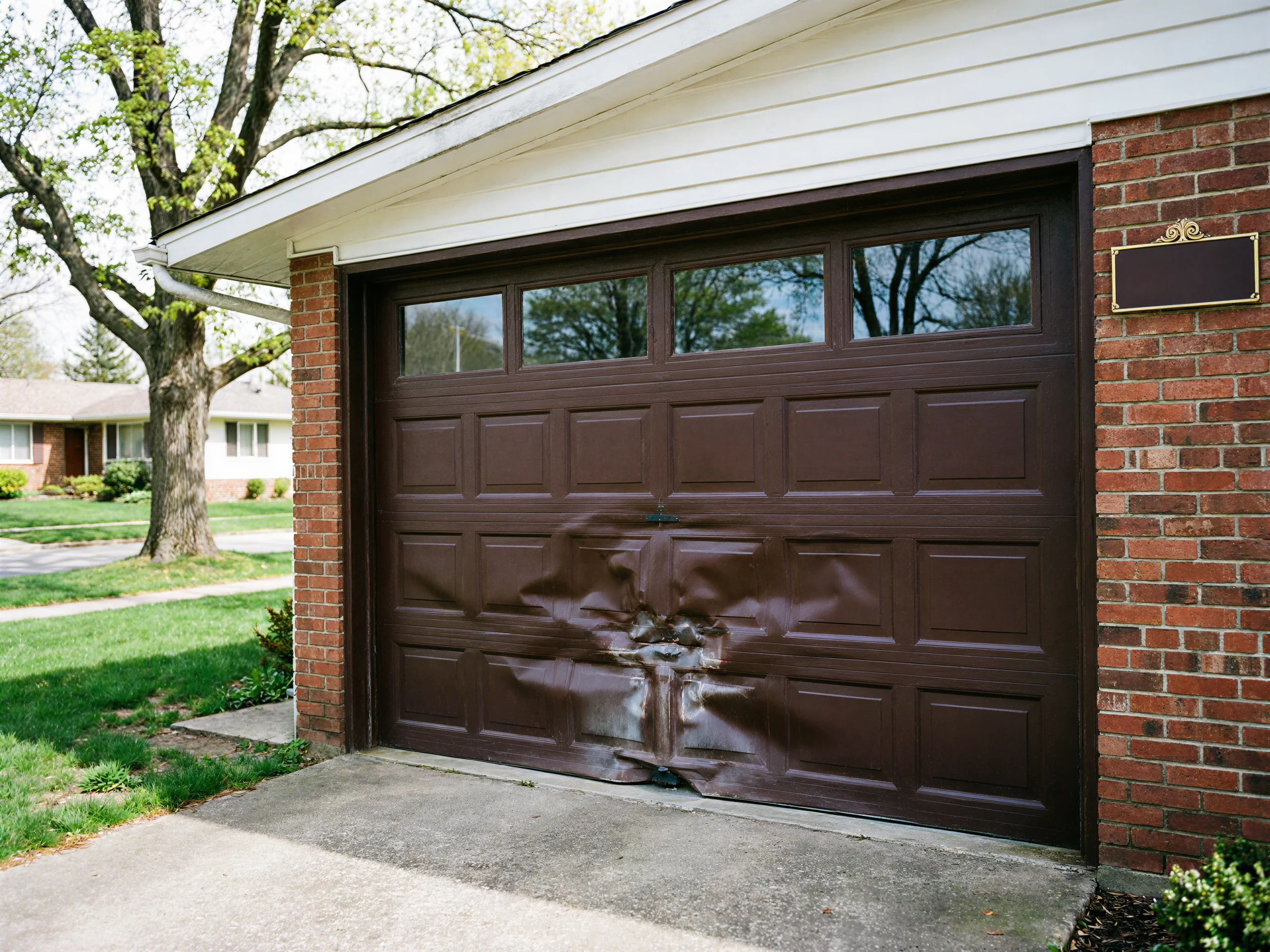
No. A spring failure on its own is a hardware repair, not a door replacement. Replacement only makes sense if the door itself is damaged - bent panels, a cracked section, or if the door is old enough that matching hardware is hard to source.
Explore more
Ready when you are
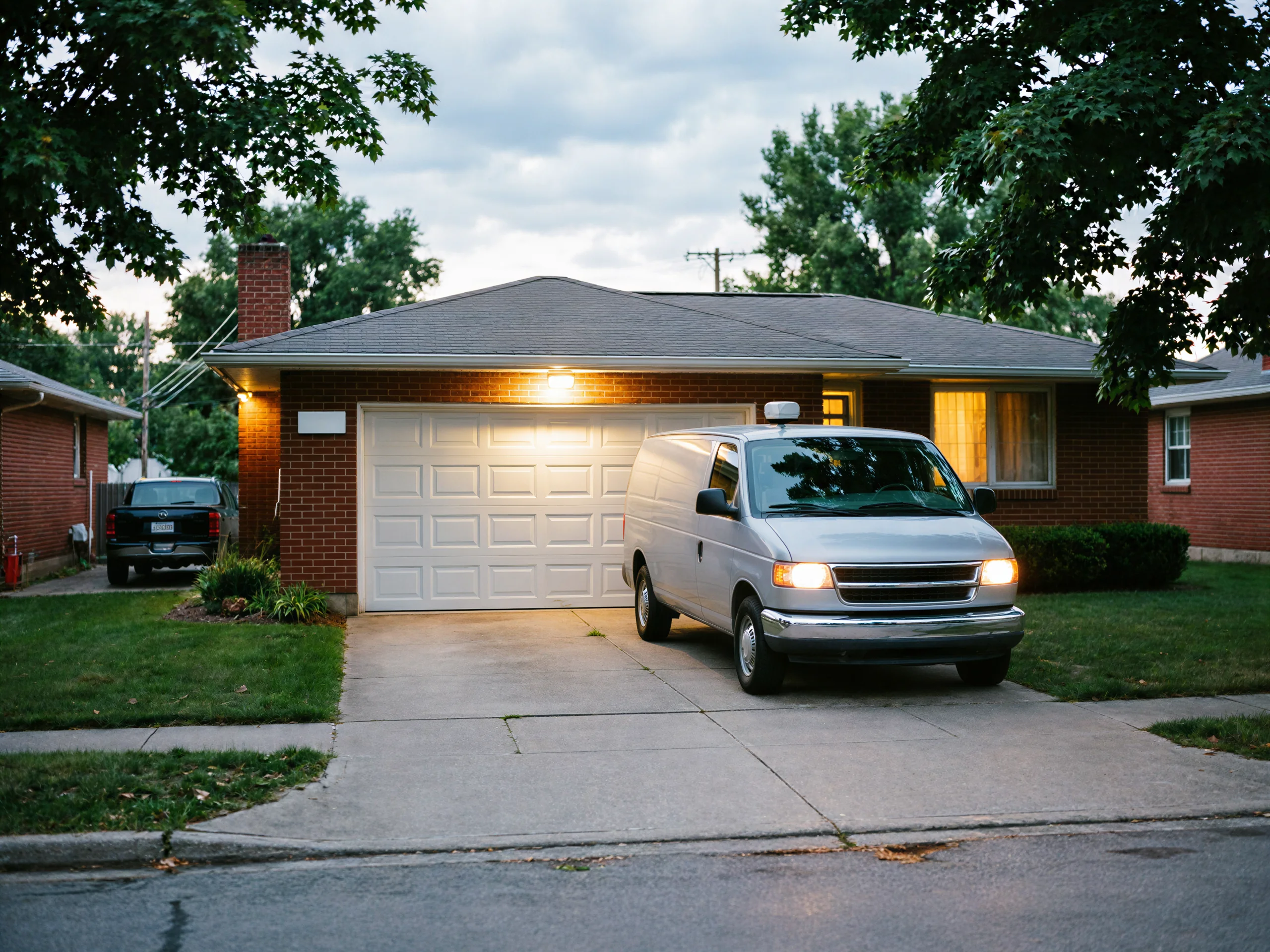
Shawnee Garage Door Pros repairs and installs garage doors, springs and openers in Shawnee, KS and the surrounding area.