
Leawood 1989 housing age
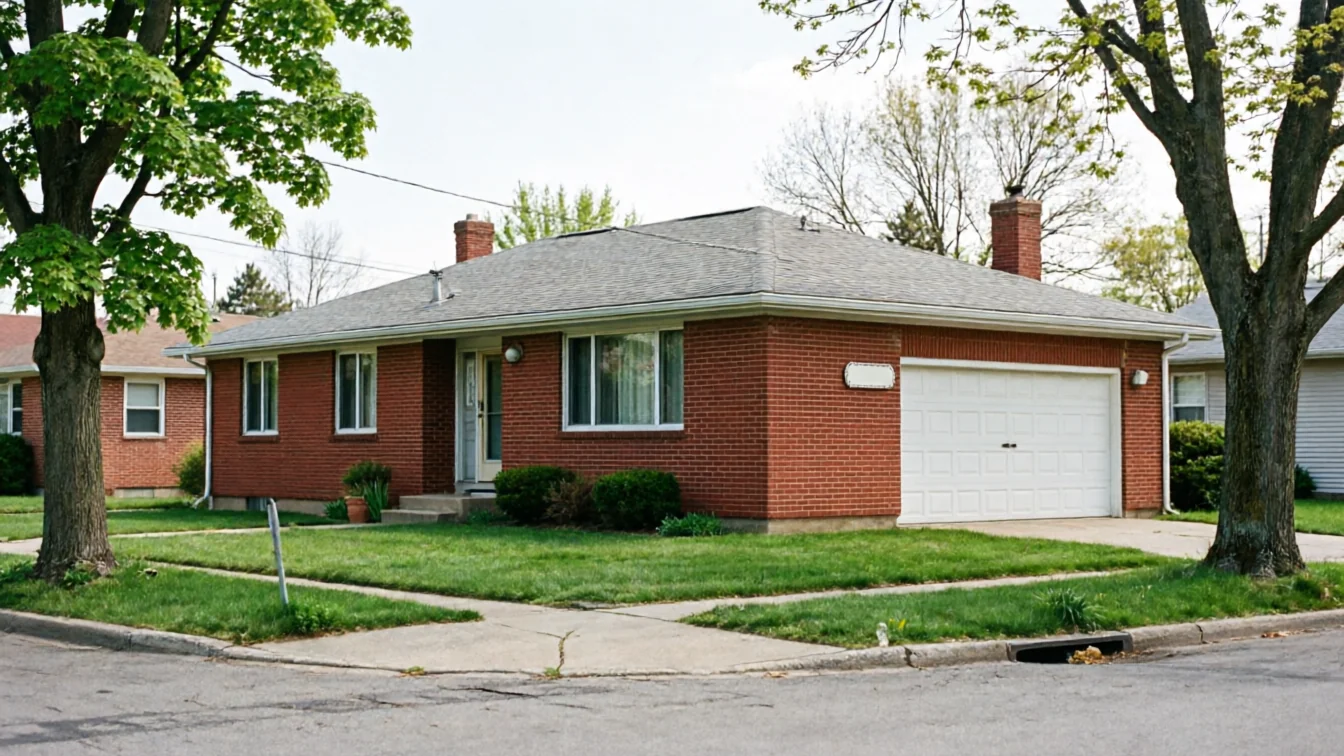
What's different about Leawood jobs isn't the distance so much as the house behind the door. The typical Leawood home was built around 1989, noticeably newer than the service area's overall median build year of 1980.
Leawood, Shawnee
Leawood's housing dates mostly from the late 1980s, newer than much of the service area. We cover broken springs, dead openers, and stuck doors from our Shawnee shop, 12 miles out.
Downtime
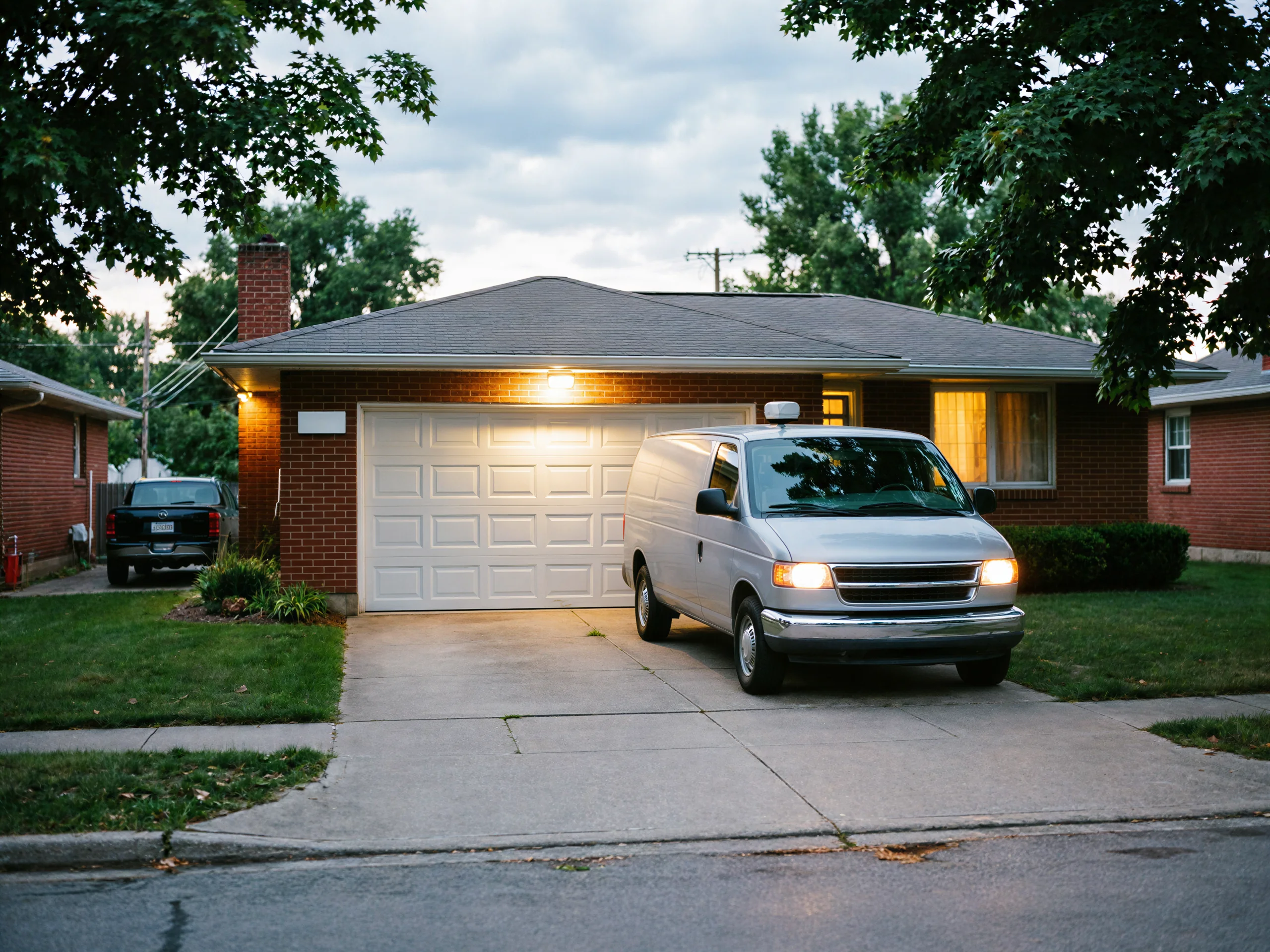
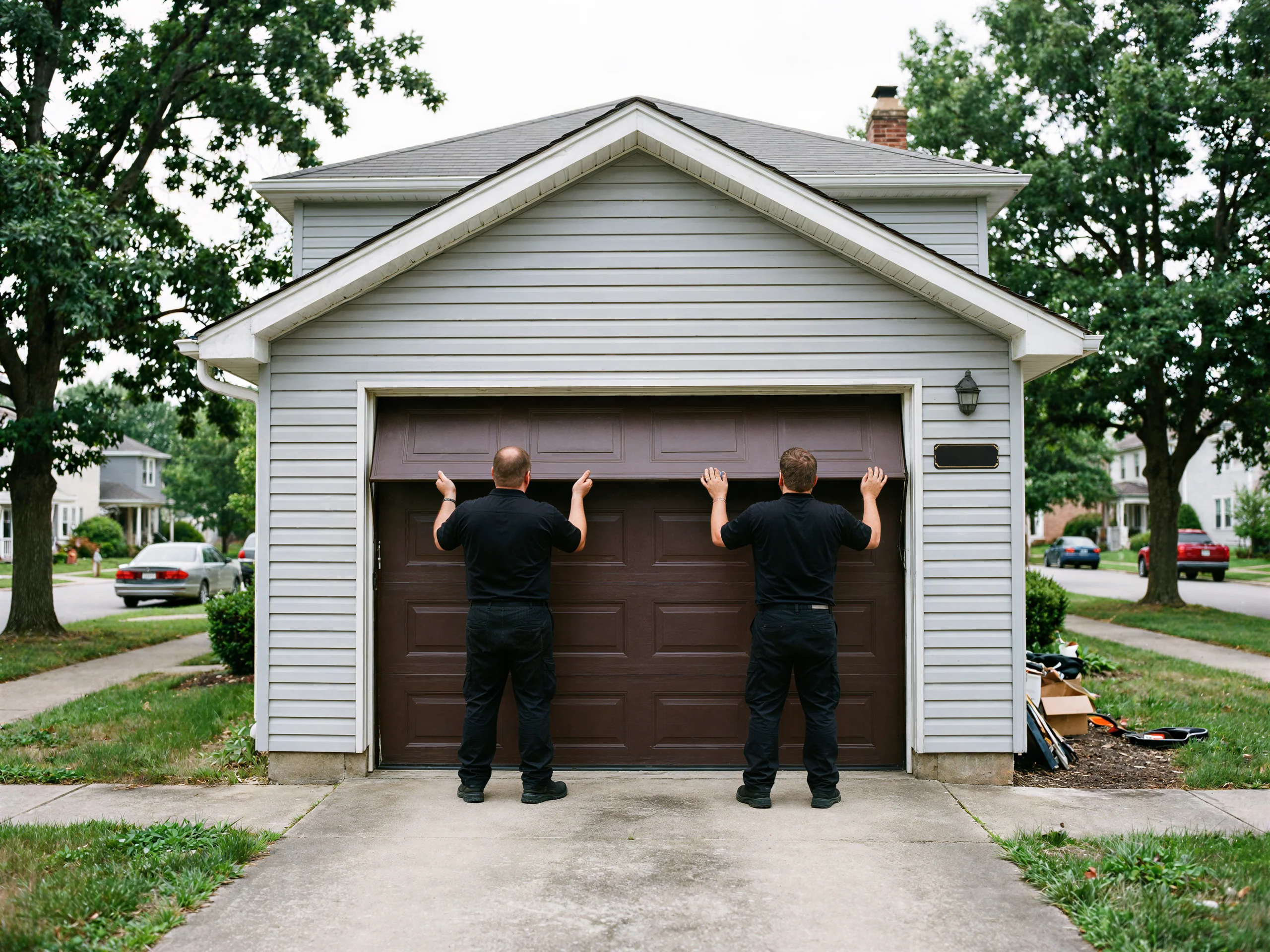
Leawood sits about 12 miles from our shop in Shawnee, so when you call with a door stuck open or a spring that's let go, factor the drive into your plan for the day - we don't keep a branch or a standing crew in Leawood itself, we come from Shawnee every time.
What's different about Leawood jobs isn't the distance so much as the house behind the door. The typical Leawood home was built around 1989, noticeably newer than the service area's overall median build year of 1980.
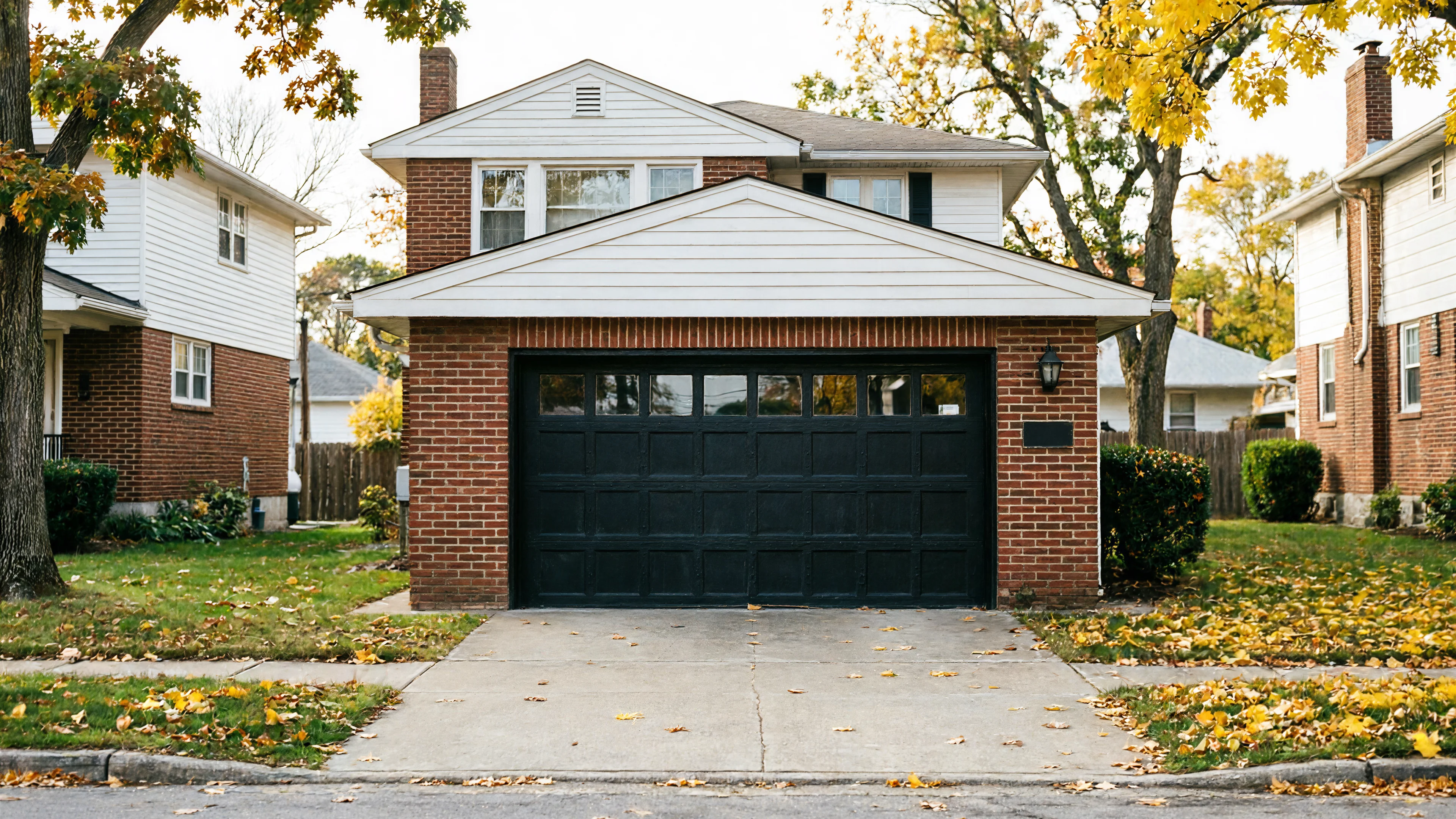
That ten-year gap matters more than it sounds: homes finished in the late '80s and early '90s were built to different opener wiring standards and often came with heavier insulated panel doors instead of the lighter single-layer steel common in older stock.
We bring parts sized for that era on the truck, but we still confirm your door's age and track type over the phone before we leave, because a 1970s torsion setup and a 1991 extension-spring setup take different hardware.
Watch-outs
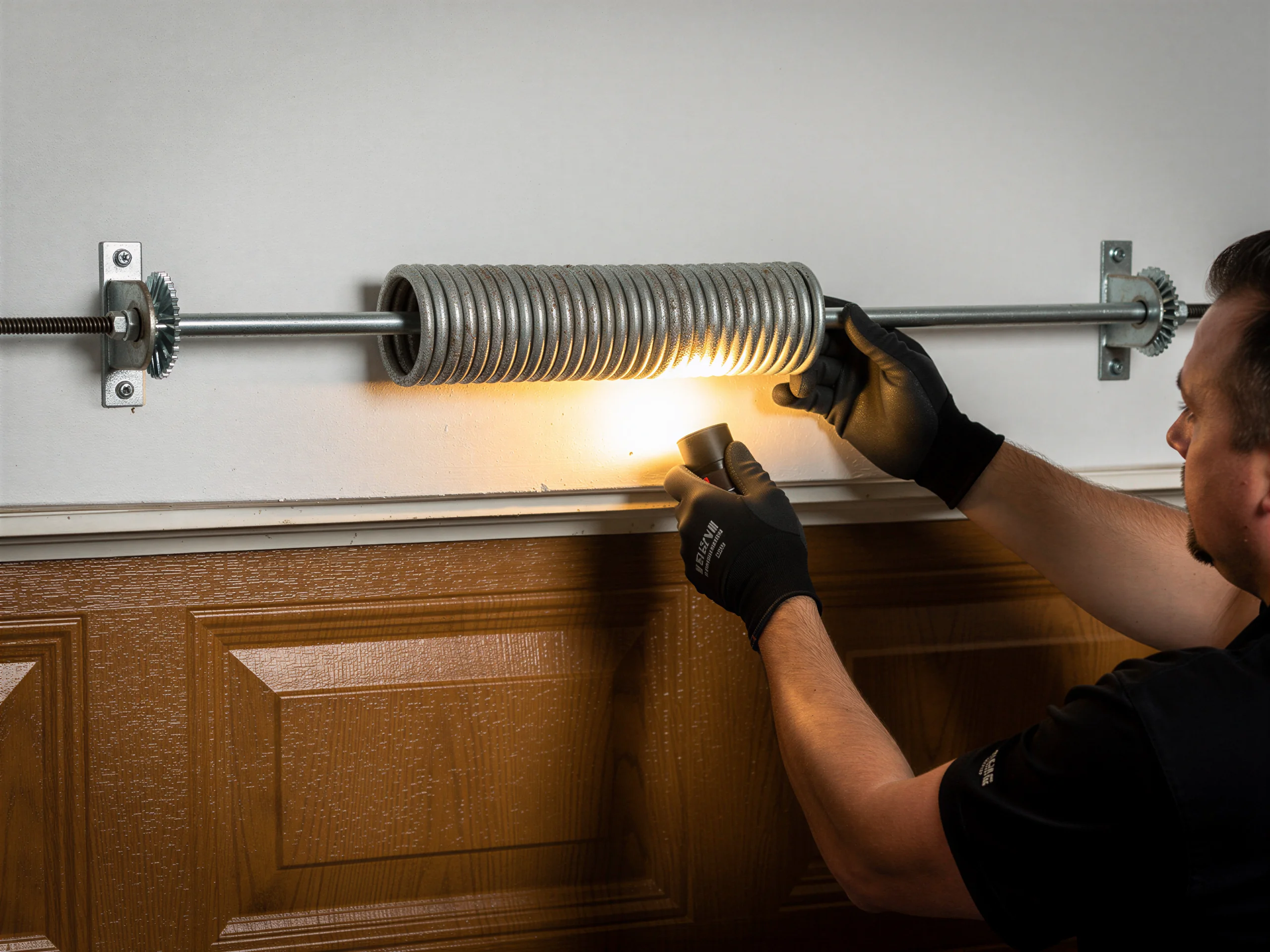
A broken torsion spring is still the most common call-out, no matter the build year - it's a wear part, and even a well-made 1989 door will eventually need one replaced.
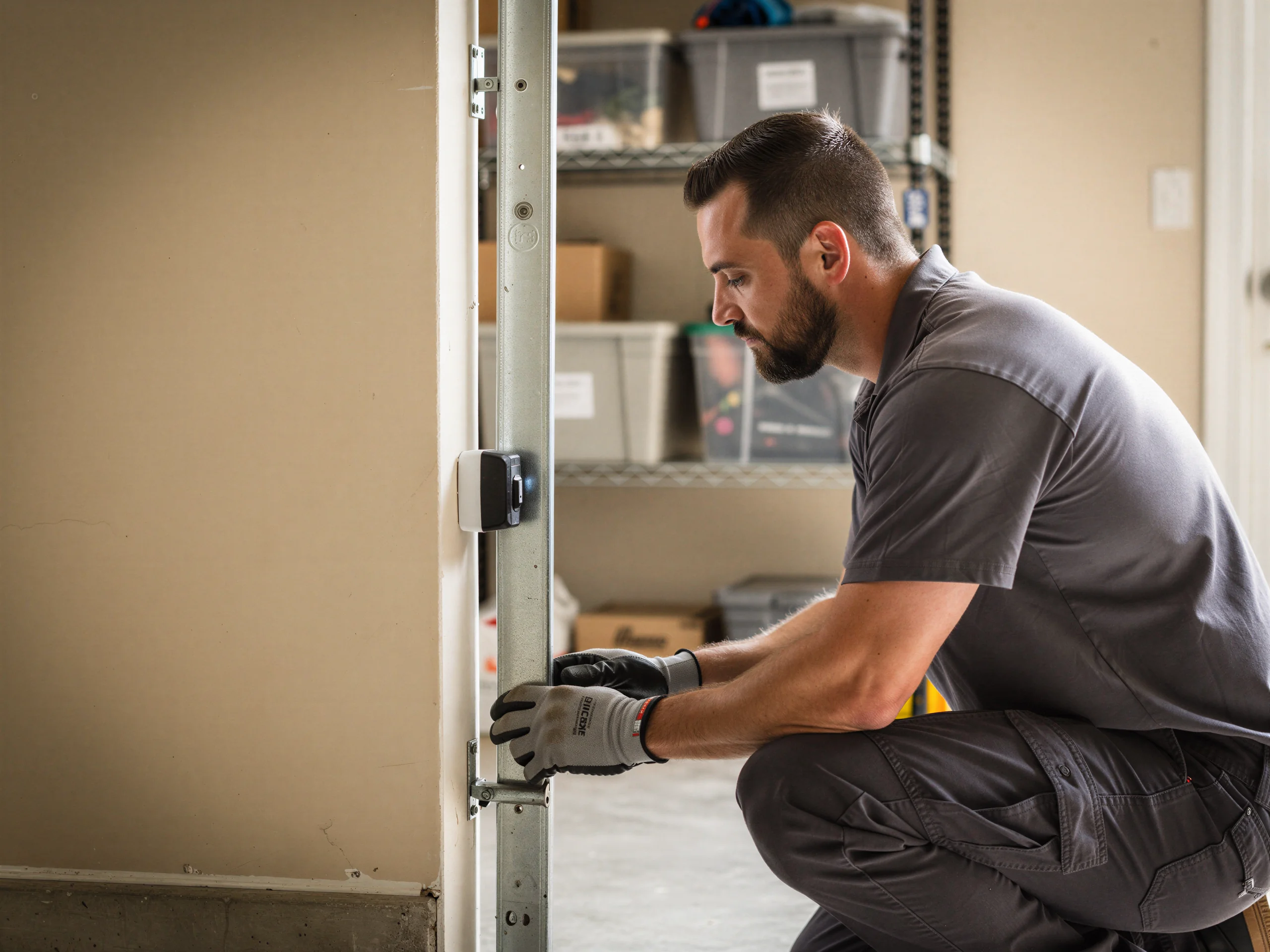
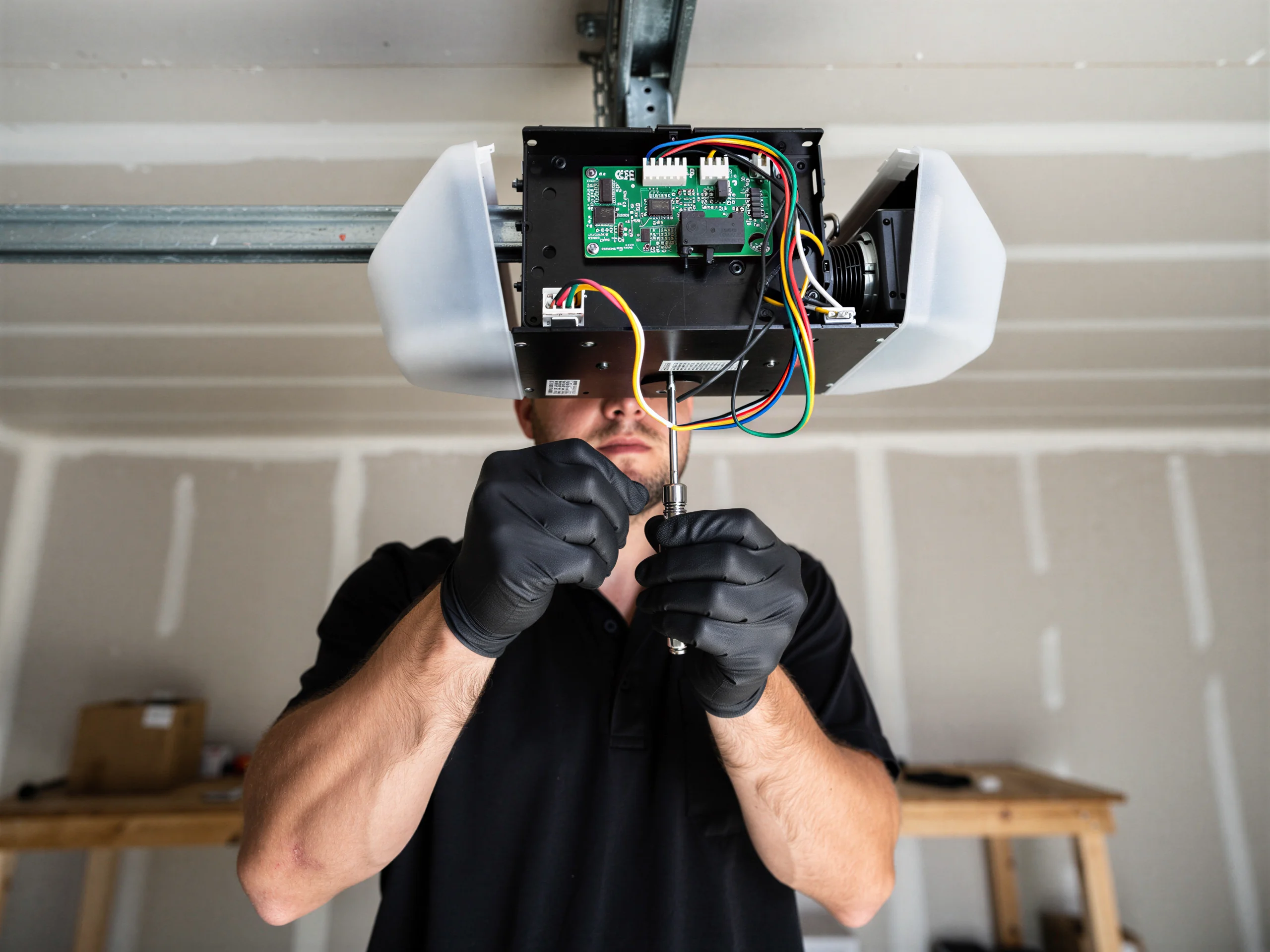
On homes from this era you're also more likely to see a worn opener circuit board or a failed safety sensor than on an older door, since these houses were built right as chain-drive openers with photo-eye sensors became standard equipment rather than an add-on.
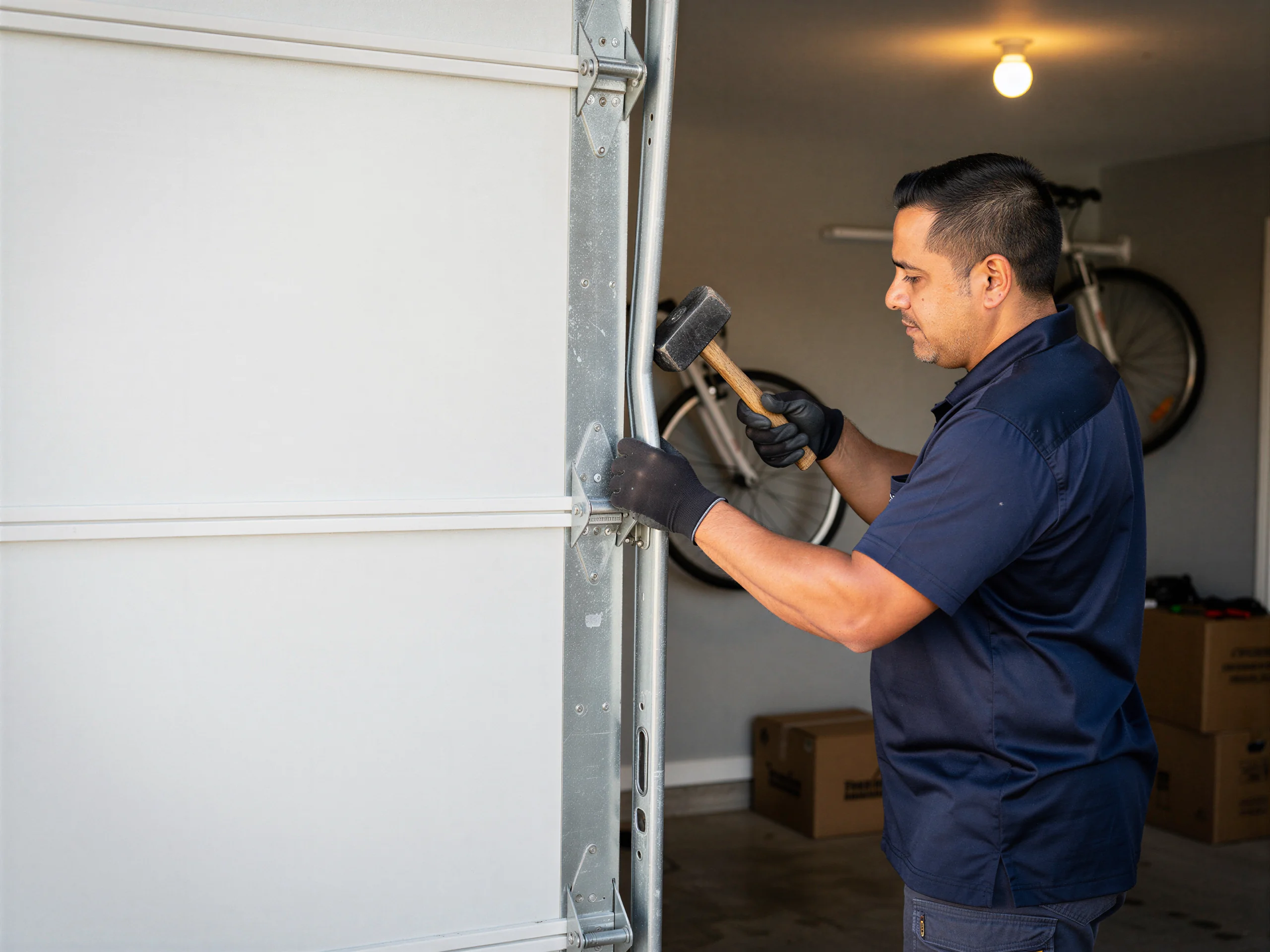
Off-track rollers after a cold snap are common across the whole area, and Leawood is no exception - cold, moderate winters here stiffen the steel and make a marginal roller or bent track finally give out.
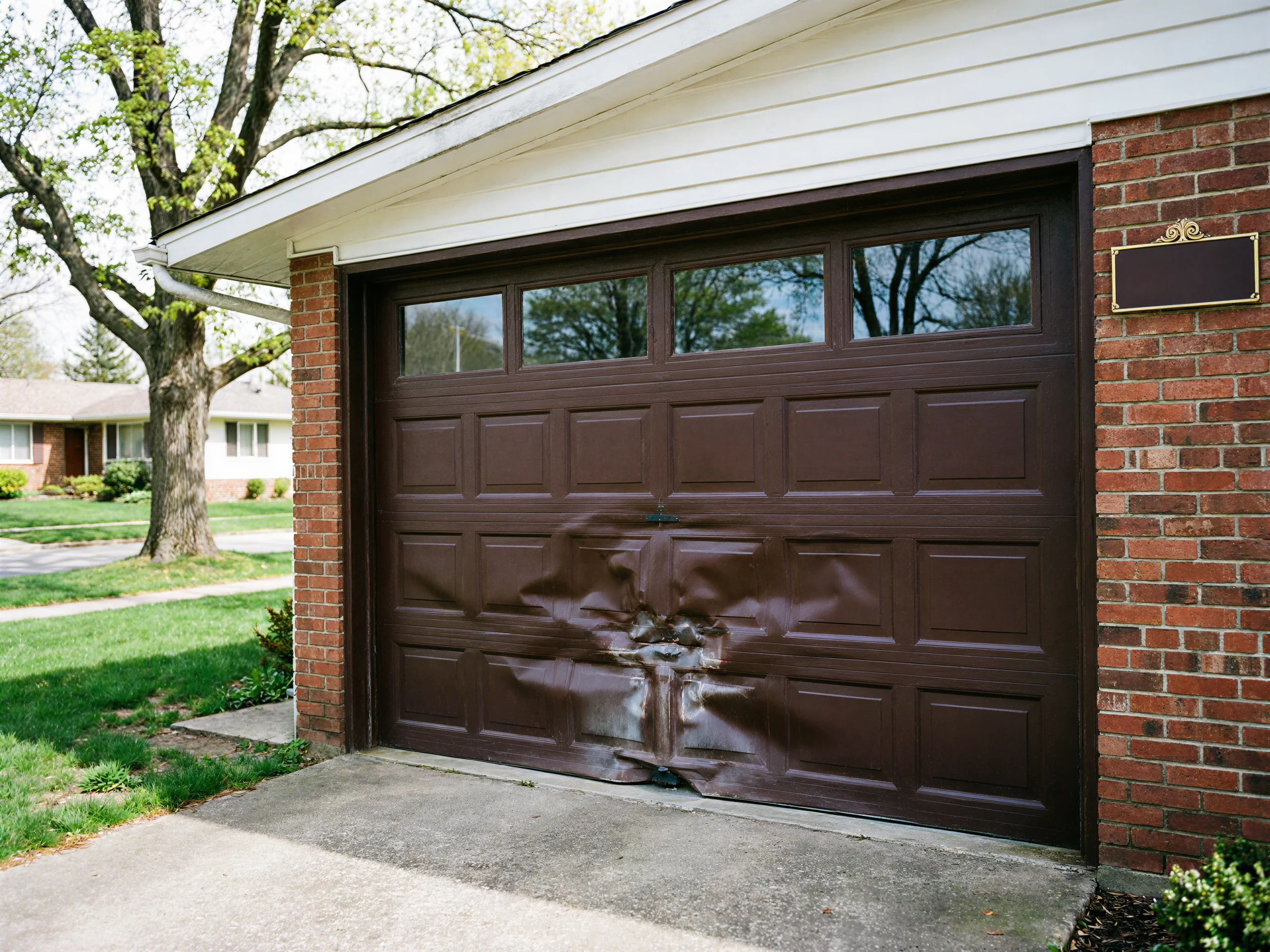
Cables fraying at the drum, a bottom panel cracked by a backed-into car, a remote that's stopped talking to the opener - these show up regardless of what decade the house went up.
On the truck
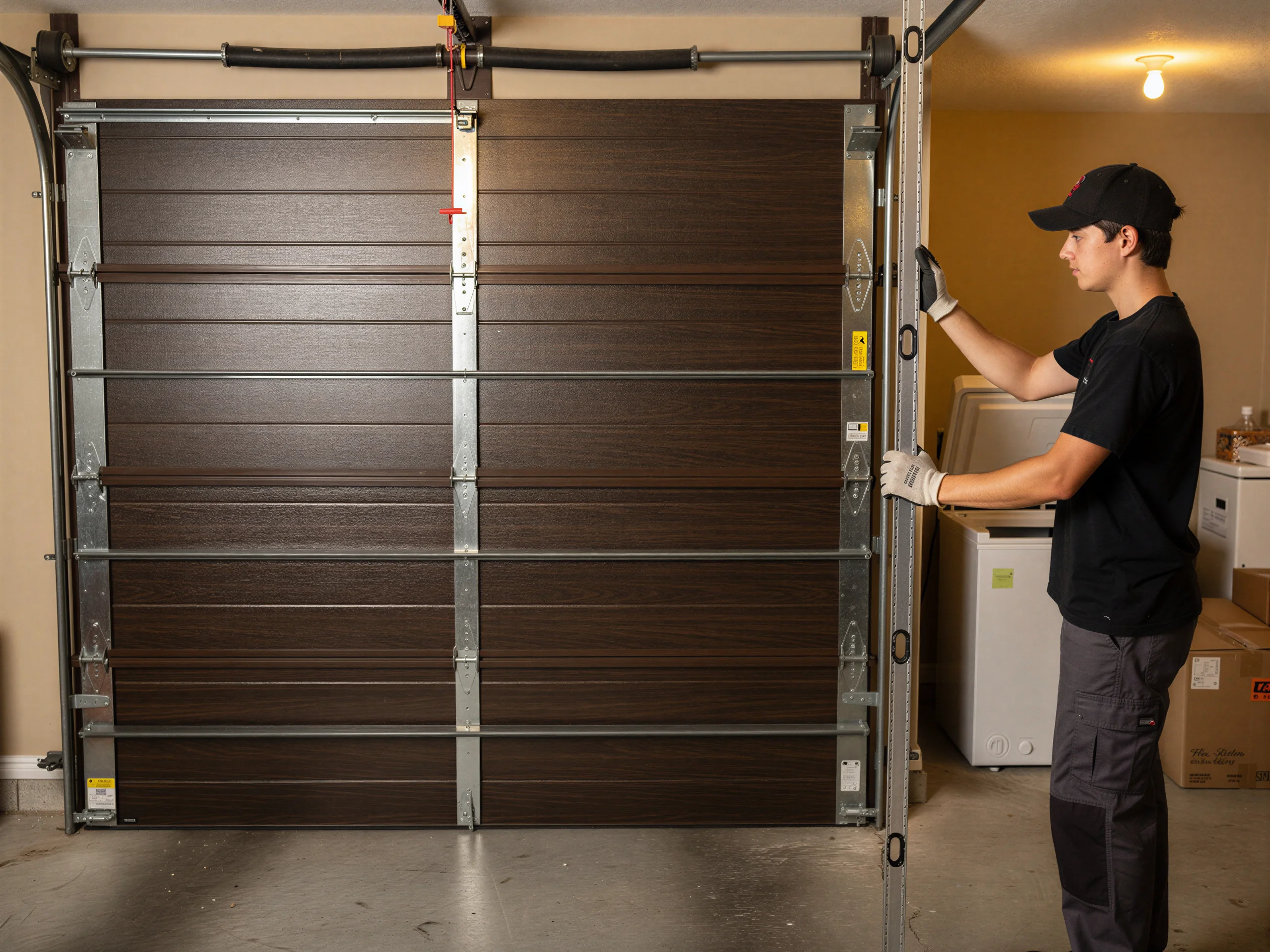
We stock torsion and extension springs sized for both older and newer stock, since the service area runs from houses built in 1950 up through the early 2000s. For Leawood specifically, that means we carry opener boards and sensor kits that match the chain-drive and belt-drive units common to homes built in the late '80s and '90s, along with the heavier insulated panel sections that started showing up on doors from that period. We also keep standard rollers, cables, and hinges on the truck regardless of door age. One honest limit: if your opener is a discontinued model from that era and the board has failed, we may need to order the part rather than fix it same-visit - we'll tell you that on the phone, not after we've already driven out.
Local causes
Leawood households have a median income of $184,976, well above the service area's overall median of $96,725, and that shows up in the kind of doors we're called to fix - more insulated panel doors, more belt-drive openers with battery backup, fewer bare single-layer steel doors than you'd find in the area's older pockets. But money doesn't stop a torsion spring from fatiguing or a cold front from seizing a roller. The area's cold, moderate winter swings stress cables and hardware the same way whether the house cost what it cost in 1989 or what it would cost built new today. Across the broader service area, which covers 68,062 households and roughly 40,266 owner-occupied houses, the fault pattern tracks build year more than anything else - and in Leawood's case, that's a door and opener roughly a decade younger than the service area's median.
Questions
No. We run out of Shawnee, about 12 miles from Leawood, and every call is dispatched from there. We don't claim a local depot or a guaranteed response window for Leawood - we're honest that the drive is part of the job.
Not usually. Leawood's housing stock centers on 1989, so most openers we see are chain or belt-drive units from that era or newer. If a board is discontinued, we'll say so on the phone and talk through ordering a part instead of promising a same-visit fix we can't deliver.
Steel springs lose flexibility in cold, moderate winters like this area sees, and a spring already near the end of its cycle count is far more likely to snap during a cold stretch than in summer. It's wear plus temperature, not one or the other.
Explore more
Ready when you are
Shawnee Garage Door Pros repairs and installs garage doors, springs and openers in Shawnee, KS and the surrounding area.